BeReady to eat better, feel better, look better

I’ve always tried to eat sensibly.

I have a tendency to gain weight and have slimmed down several time in my life. I believe in principals which I’ve followed over the years:

Denial isn’t just a river in Egypt

Earlier in life I gained weight from a family emergency and never really lost the weight. Then my weight crept up with time. I began to notice heart “palpitations” but didn’t want to worry about it.  After years of being disregarded by health care professionals; I moved to a new area and my new Dr was alarmed by my labs.  He said loose 40 pounds. I was a half a pound from “obese”.  He also addressed my thyroid levels that had been neglected for years. As you may know, weight control and thyroid conditions is challenging.

Here’s what happened when I cut calories

  • I actually lost weight
  • I stopped having reflux
  • I reduced having heart rate issues
  • I’m getting enough fiber
  • I’m eating more protein and less carbs
  • No more horrible leg and hand cramps! Apparently I stopped eating additives I might have a problem with
  • Even though I am “old” I look better and my clothes fit better. Lucky me! Baggy is in.
  • I can reach my feet to work on my toe nails, more easily put on socks, tie my shoes ect.
  • I sleep better

A long term commitment

I could not eat “normally” and still reduce calories; weight loss can take months or years so I will have to make adjustments to not regain all my hard work. You can’t comfortably to go to KFC if you want to loose weight. A classic chicken sandwich and a biscuit with unsweetened tea is more than 1100 calories. Most people have much more than a sandwich and a biscuit at KFC. There is a grilled option, it’s not the same for me. Most take out food has a lower calorie option, but might not be worth the effort.

Here’s what a day of reduced calories looks like:

  • Oatmeal or cereal with frozen fruit and almond milk OR
  • English muffin with one egg and cheese
    300 calories 2-20 grams of protein
  • Bean and cheese burrito with chicken and a vegetable OR
  • Small turkey or cheese stripped down half sandwich
    400 calories 30 grams of protein
  • Lentil or chick pea Curry and half cup of rice OR
  • Chicken breast or sausage or fish with veggies
    400 calories 25-40 grams of protein
  • Graham crackers
    120 calories 1 gram of protein

I drink a can of sparkling water with every meal and aim for six cans (72 oz’s) a day plus one cup of coffee.

Do I like this diet?

No. I do not enjoy eating a lot of beans, but eat them anyway. I miss beer and pizza. I miss fried chicken. I miss mac n cheese. I miss ranch dressing. I miss French wine. I miss sugar free red bull. I miss sourdough bread and butter and sub sandwiches with mayonnaise. I miss sushi because I get a rapid heart beat when I eat it.  I don’t like cottage cheese and can’t eat Greek yogurt. Avocados make me gag. You’ll have more choices than me if you can eat these things.

Disclaimer everything I have read says you should not reduce calories to less than 1500 a day. Make a plan with your physician, specialist or nutritionist

My goal is to get more protein with less calories. Ideas for low calorie protein include:

  • Chicken sausage
  • Chicken Breast/any chicken parts
  • Turkey
  • Eggs
  • Tofu
  • Tilapia (low calorie)
  • Fresh or frozen Salmon (higher calorie)
  • Canned Tuna, sardines, salmon
  • Beans (lentils, red, chick peas, refritos, ect)
  • Nuts (in moderation, they are packed with calories)
  • Cheese (high in calories, in extreme moderation. it might not be worth it to add it to food.)

If you eat red meat you might be able to get more protein.

I removed red meat (beef and pork) from my diet many years ago and opted for more plant based choices for environmental and moral reasons. I don’t like beans enough to be a vegetarian. You probably save money if you limit read meat.

You will read debates about any foods as being safe, healthy or advised. Please make mindful decisions and make sure you get proper nutrition with any weight loose method.

  • Plant based meat. If you like it.
  • Texturized Vegetable protein (TVP) might substitute for hamburger mixed with other things like chili, meat sauce. You’ve already had it if you eat frozen food.
  • Plant based protein powder. I have no experience with whey based protein powder since it makes me sick as a dog. Protein powder with out a bunch of sugar may work well for you

Other things to eat to make life worth living while on a reduced calorie diet

  • Thin sliced bread.
    I found out right away that cheap bread wasn’t worth it. It now takes me months to go thru a loaf of bread so I buy high quality and freeze it.
  • Smaller tortillas.
    “carb reduced” tortillas turn out to be too full of additives for me, so I just buy smaller ones and eat less of them.
  • English muffins.
    Any carb with less than 150 calories.

I lost 20 pounds the first month then Plateaued for 8 weeks and holding.  I went from terrible body hunger to some sort of  feeling “hangrey”.  6 almonds as a snack might help with this.

Have I mentioned that everything I have read says you should not reduce calories to less than 1500 a day? Make a plan with your physician, specialist or nutritionist because I am not a professional weight loss person.

Although now that I think about it, consulting with a professional would be a great idea for me.  I’ve started a new medication for my thyroid and one side effect is weight gain.


Year’s End, New Year’s Refresh

As every year ends and a new one begins I think I should do a clean sweep on the house, get it completely clean and organized.

I never get it done the way I think it should be.

Here is a list of things to look at going into a new year.

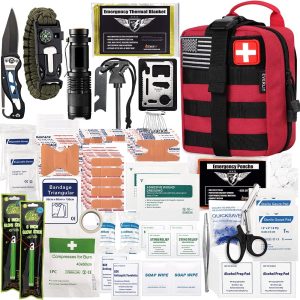
first aid kit

  • Check for expired food. If it’s still near the date the food pantries often will take it.
  • Clean out the fridge and freezer, try to use up things you bought and haven’t used or forgotten about. Throw out anything no longer safe or appetizing.  Don’t stress about freezer burn, you are doing your best. Let it go.
  • Calculate how long your food will last if you are sheltering in place and donate anything you are not rotating regularly.
  • Check your first aid in the car and in the house. Replenish and organize.
  • Check batteries for small things like flashlights. Consider electric generators or battery packs.
  • Check the fire extinguishers in the house and in the car, consider fire blankets.
  • Discuss evacuation scenarios with your family and make plans. Don’t forget pets and elders.
  • Talk to your family about plans for disaster when at school and work.

Remember, most natural disasters are localized and there will still be stores and hotels and gasoline in unaffected areas. Three to seven days of food and water will probably be enough to get you beyond the initial situation. Oh course, you know your own situation so adjust accordingly if you need more supplies.

  • Avoid spending money on things that will expire and spoil, be affected if the power is off  (get back up power) or are unappetizing.
  • Be self sufficient and avoid emergency shelters.
  • Use aps to inform you of local situations.
  • Keep some cash with you or in a safe place .
  • If possible, leave early if evacuation might happen.
  • Be able to find your shoes in a emergency.
  • Keep a whistle on your key ring in case you are stuck where no one can see you.
  • Get back up power for things like CPAP machines and oxygen generators.

Other things you might do for end of year organization. while they may not be disaster orientated, they may help for peace of mind.

  • Winterize, find the drafts in your home and plug them up
  • Have a good attitude about the future. Barricading yourself in your bunker and fighting off the zombie hoard or the sand worms while eating MRE’s might be an extreme expectation.

Be Ready for Extreme Heat

Drink a cup of water every hour, even if you aren’t thirsty.
Avoid sugary, caffeinated or alcoholic drinks.
Eat healthy food and snacks to help replace the salt lost when you sweat.
Check your urine color—dark yellow means to drink more water.
Stay Cool
If your home gets too hot, know where air-conditioned places like local malls, libraries or cooling centers are located. Being in the shade outside may be cooler than staying inside without air conditioning.
Take cool showers or baths. You can also use a wet cloth, spray water on your skin or wear damp clothing.
Limit outdoor activity to when it’s cooler, like the early morning or after sunset, and stay in the shade.
Wear lightweight, loose-fitting clothes in light colors.
Protect yourself from the sun by wearing a hat with a wide brim, sunglasses and sunscreen (SPF 15+).Prepare for Power OutagesRemind them to wear lightweight, loose-fitting clothes in light colors.
Encourage them to take cool showers or baths to cool off.
Take those without air conditioning to a mall, library or cooling center.
Suggest sitting in the shade. Sometimes, it’s cooler outside than staying inside a hot house.
Cover stroller openings with a damp cloth. Dry cloths can make strollers hotteNever leave a child or pet alone inside a parked car.
Check in twice a day on those who are older, have health problems or live alone.
Encourage outdoor workers and athletes to use a buddy system and check on each other often.
Make sure outdoor pets have water and shade
Heat Cramps

Know what it is – Heat cramps are painful muscle cramps or spasms in your arms, legs, or stomach that happen when you sweat too much. They’re warnings that your body is overheating and a reminder to cool down before you become sicker.

Know the possible signs – Heavy sweating, muscle pain or cramping.

Know what to do – Stop what you’re doing, rest in a cool place and slowly sip water. If you feel sick to your stomach, stop drinking. Get medical help if cramps last more than an hour or if you have heart problems.

Heat Exhaustion

Know what it is – Heat exhaustion is a more serious illness that can become deadly if not treated. It happens when your body loses too much water and salt, usually from sweating too much in hot weather.

Know the possible signs – Heavy sweating, weakness, cool and clammy skin, muscle cramps, dizziness, fainting, nausea or vomiting.

Know what to do – Stop what you’re doing, rest in a cool place, and slowly sip water. If you feel sick to your stomach, stop drinking. Loosen your clothes and place a cool, wet cloth on your body. Get medical help if you’re vomiting or don’t feel better.

Heat Stroke (Emergency!)

Know what it is – Heat stroke is deadly and requires immediate medical care, especially if the person loses consciousness.

Know the possible signs – High body temperature, rapid heartbeat, confusion, headache, dizziness or fainting, nausea or vomiting. Their skin may be hot and dry, or they may be sweating.

Know what to do – Call 911 right away. Move them to a cooler place and remove extra clothing. Cool them with a wet cloth or a cool bath. Do NOT give them anything to drink.

Half Year Check Up, What’s in your pantry?

This is a good time to do a check up on your emergency plan and organize your emergency food.

Its already July first! In the Unites States we’ve reached the half way point of the year in the middle of summer. We’ll have cook outs and spending time at beaches enjoying summer clothes.

drawing of bag of chips with cartoon bearYour Car

Check the car over before traveling, particularly if its hot. The NTSA has great tips  for summer driving

Check your car for water and snacks. Water bottles in plastic breaks down in the heat. Make sure you don’t keep more plastic water bottles in the car than you will use fairly quickly. July first is a good time to replace the water in reusable jugs and clean it. If your water tastes bad, dump it.

I saw these clear bags on Amazon, they are inexpensive and can hold drinks, water or snacks.

Collapsible Water Container Bag, BPA Free Food Grade Clear Plastic Storage Jug for Sport Camping Riding, Freezable, Food Grade (4-pack-2.6 Gal) 7-1-25

In your Cupboards

Try to have 1-6 months worth of food in the house. Donate, use or replace food that may expire soon. To avoid feeling like you are hoarding, re-evaluate unlabeled bulk foods, things bought on impulse because they were a “good deal” or items that will never be consumed.  Looking at vacuuming sealing options I found some that are quite reasonable.

TOIAMOI Vacuum Sealer, Wet and Dry Food Storage, Built-In Cutter with 10 Vacuum Bags, Silver $20 at Walmart  7-1-25

This wasn’t even the cheapest! You can use a hairdryer or hair straightener too. Remember, sealing things up doesn’t make them shelf stable. Trying canning for that.

drawing of Peaches in jarSpeaking of Canning

If you put food up last year and no one is eating it, it may be a time to use it up before you can again. I’ve been guilty of putting jars of stew in the back of the fridge instead of properly canning them.  If you are just getting into canning get a few tools:

Canning Kit Jar Lifter Wide Mouth Canning Funnel Lid Wand for Canning Jars Anti-Scald Kitchen Tools(3Pcs,Green) only $4 from walmart 7-2-25

There is lots of information on the internet to get you started canning.

Speaking of the Fridge and Freezer

This is good time to see what’s in the fridge and in the freezer. If you don’t know what it is, it probably needs to go. Throwing away food is disappointing but it doesn’t make a you a bad person, it makes you a responsible person.

Cartoon of hands checking smoke detector with text sound the alarm, save a lieCheck your Smoke and Co2 Detectors

Replace smoke detectors with newer models, call the Red Cross or your local fire depart about replacing your smoke detectors

Check you  fire extinguishers and make sure your fire smothering blankets  are easy to access.

Check your C02 detectors, get new ones or replace them.

FIRST ALERT Carbon Monoxide Detector, No Outlet Required, Battery Operated, CO400, White, 2 Count $29.99 amazon 7-1-25

Make sure bug out bags for everyone are ready and your camping gear is in order and ready to go. back pack with bottle of water, bag of chips, bed roll

  • Extra clothes
  • Medicine
  • Flashlight
  • Snacks, energy bars and water
  • Hygiene items, Deodorant, wipes, tooth care, feminine care
  • Baby things
  • Basic first aid
  • Space blanket
  • Phone charger
  • Cash and cards
  • Extra Eye glasses

And lastly, make sure you have a plan for pets and livestock. Have a great summer!


BeReady for Extreme Heat

The weather is lovely, but maybe a bit too hot.

Extreme heat is no fun

Extreme heat is a period of high heat and humidity with temperatures above 90 degrees for at least two to three days. In extreme heat your body works extra hard to maintain a normal temperature, which can lead to death. Extreme heat is responsible for the highest number of annual deaths among all weather-related hazards.

Heat waves are primarily caused by high-pressure systems that trap warm air near the surface, preventing it from circulating away. This trapped air is compressed, causing it to heat up further. The lack of cloud cover, also associated with high pressure, allows for increased solar radiation, intensifying the heat. Essentially, a “heat dome” forms, where warm air is trapped and compressed, leading to prolonged periods of excessively high temperatures.
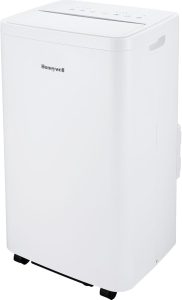
honey well portable Air Conditioner in whiteI live in an area of increasing temperatures and climate change. Our home does not have Air conditioning. My nephew gave me his nice honey well portable AC when his family moved to Virginia. While it wont cool the whole house it is very helpful!

Older adults, children and people with certain illnesses and chronic conditions are at greater risk from extreme heat.

Humidity increases the feeling of heat.

  • Never leave people or pets in a closed car on a warm day.
  • Look in the backseat and make sure no children are there before leaving the vehicle.
  • Put a personal item like a cellphone or briefcase in the backseat with your child so you’ll have to access that area when you arrive at your destination.
  • Keep your car locked when it is parked. This can prevent a curious child from entering or getting trapped inside on a hot day. Keep your car keys out of children’s reach to prevent them from unlocking it and entering.
  • If air conditioning is not available in your home find a cooling option such as public spaces or shelter.
  • Take cool showers or baths.
  • Wear loose, lightweight, light-colored clothing.
  • Use your oven less to help reduce the temperature in your home.
  • If you’re outside, find shade. Wear a hat wide enough to protect your face.
  • Drink plenty of fluids to stay hydrated.
  • Avoid high-energy activities or work outdoors, during midday heat, if possible.
  • Check on family members, older adults and neighbors.
  • Watch for heat cramps, heat exhaustion and heat stroke.
  • Consider pet safety. If they are outside, make sure they have plenty of cool water and access to comfortable shade. Asphalt and dark pavement can be very hot to your pet’s feet.
  • Heat waves may cause you to lose power. Visit Your utility companies to see about planned outages and to learn how to stay safe.

HEAT EXHAUSTION

Heavy sweating, paleness, muscle cramps, tiredness, weakness, fast or weak pulse, dizziness, headache, fainting, nausea, vomiting

HEAT CRAMPS

Muscle pains or spasms in the stomach, arms or legs

HEAT STROKE

Extremely high body temperature (above 103 degrees F) taken orally
Red, hot and dry skin with no sweat
Rapid, strong pulse
Dizziness, confusion or unconsciousness If you suspect heat stroke, call 9-1-1 or get the person to a hospital immediately.

Exposure to heatwaves can cause edema, syncope, cramping, heat exhaustion and the feared heat stroke, that can lead to death. In addition, extreme heat can cause severe dehydration, stroke and contribute to the formation of clots.

What Does Being a “Prepper” Mean?

What are we prepping for?

Like many people, I do not believe the government or any organization can or should come to my rescue in a disaster. I lived thru the Loma Prieta earth quake in 1989 near the epicenter. This event helped me to understand what actually happens when power and communication plus some infrastructure is cut off.

The immediate result after a major earth quake, my experience

I learned not to keep items full of liquid in high cabinets.
The Grocery stores near my home were standing but not operable; the stores compensated with generators and door service. You went to the door and told them what you wanted, they sent someone in and you paid in cash. Most people were buying booze and baby stuff. We had no power for a week, but our landline phone never went down. Be aware that modern land lines are mostly internet based, many companies are abandoning the old wired phone systems. From this experience, It’s my opinion that after an ecological disaster you will be able to get what you need, infrastructure will be repaired quickly and supply lines restored.

What kind of people are Prepping?

Turns out, it’s just about all types of Americans at some level. Surveys and studies indicate that there is no specific demographic in the United States for disaster preparedness. Anybody of any race, age regardless of urban or rural environment, homeownership or renter may engaging some activity based on how much they can afford or desire to prepare. This might be as basic as flashlights and some extra food to a full on stocked bunker.

Food insecurity is a big problem in the United States, where 47 million people, including 14 million children, experience food insecurity annually.  Practical preparation can help with this because of food rotation and planning. If it no longer fits your preparedness reality or will spoil before you use it, donate it.

If there was to be a long term society break down how will I survive?

Am I knowledgeable enough to survive long term in complete societal break down?
Am I mentally capable of surviving without modern conveniences?
Am I physically capable for surviving long term?
What will be my quality of life in a bunker, the post apocalyptic environment?

MRE’s, dehydrated food, survival kits probably don’t fit into your survival needs and will spoil. I’m not completely against investing in this stuff because the future is uncertain. You will not be digging into compressed food bars, MRE’s or dehydrated food immediately after the supply chain breaks down, unless you have nothing else, which if you do practical preparedness is unlikely. The government recommends that you only consume MRE’s for 21 days. While they decently rounded meals they are processed food with high fat and sodium without enough roughage.  If you store them more than 5 years their quality goes down. Plan what you will do with them when they are no longer wholesome.

Hoarding

Practical preparedness shouldn’t necessarily be confused with hoarding. Hoarding is a result of a mindset of ownership and undefined need that may not be rational and may be the result of  an obsessive compulsive disorder (OCD). Hopefully practical prepping creates mindful preparation even if you have some normal OCD traits.  If you can decide what you need and what is over kill you are doing fine. If it spoils, you need to revaluate your needs.

Shelter in Place

Food: Visualize what you will actually eat for 1-6 months of “normal” life without a Freezer or Fridge.

Water: Keep a couple of gallons of water per person for at least three days. Water filtration may help manage storage and will help if you run out of drinking water.

Ammo, Guns:  Nice to have, but not practical in most circumstances. My state allows conceal carry with a permit, which I have. I feel that I need a firearm when I am alone out in the desert and in my home.  I want to protect myself from SA and threat to my life, with quick response. If the zombie hoard want to bust in and loot my stash, I do not think I want to defend it with firearms. If someone starts shooting up the Walmart I’m going the other way. Desiring to shoot unknown targets (strangers on your property, animals etc) is not healthy and will create terrible regrets. Unsafe storage of loaded weapons may be a tragedy in the making. I will only use a firearm on another human being as a extreme last resort.

Gasoline: Only lasts a couple of years. It will probably be available in some form until it spoils. Have enough to run your generator as needed for a couple of days.

Foraging: Nice to know what’s eatable. No need to go hungry when you could just stop spraying the dandelions.

Looters:  People will steal when they need something that you have, or resources they can not afford or find. Of course, if people are considering eating the neighbors and you are still well fed, they may figure out you still have food. If it gets to that point, Good Luck!

Bugging out

drawing of bag of chips with cartoon bearYou might keep items in the car permanently for any situation where help may not be available, a public shelter is not available or desirable

Snacks/food to last 72 hours
Basic pet supplies
Water
Change of clothes
Masks or respirators
Blankets
Roll of paper towels
First aid kit
Spare tire and tools
Regular tool kit
Yellow safety vest, flares and reflectors
Entrenching tool
Kitty litter
Car chains
A whistle
Extra eye glasses
Basic hygiene items

Grab and Go

Your pets and people
Your meds
Your firesafe bag with cash and important documents inside


BeReady for Ice storms and Winter Weather

BeReady for Ice storms and Winter Weather

  • Stay indoors: It is generally recommended to stay indoors during an ice storm unless absolutely necessary.
  • Avoid travel: If you must travel, exercise extreme caution and drive only when necessary. Make sure your vehicle is winter ready and reliable, Carry ice scrapers, tire chains and have the proper tires. Have your BeReady kit for the Car. Watchout for black ice and know how to react to hydroplaning. 
  • Watch for objects that could potentially blow into the roadway. Tree limbs may break and/or other debris may come loose during strong winds. Listen to the radio for changes in weather conditions that could create more dangerous driving.
  • If winds are severe enough to prevent safe driving, pull over into a safe parking area (the shoulder of a busy roadway is not safe) and stop, making sure you are away from trees, power lines or other tall objects that could fall onto your vehicle.
  • Have an emergency kit ready with supplies like flashlights, batteries, non-perishable food, and a first-aid kit.
  • If your primary heating source relies on electricity, have an alternative heating source available and ensure it is properly ventilated.
  •  Check on elderly or disabled neighbors and family members who may be at risk. 

BeReady to Go with a kit for the car

Build your BeReady kit for the Car

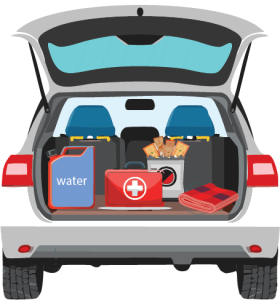
  • drawing of a hatchback car with water, first aid kit and snackTry to have at least half a tank of gas in your car at all times.
  • Some cash
  • Phone chargers
  • Keep snacks in your car. Rotate food frequently to keep it wholesome.
  • Extra glasses and meds
  • A roll of papers towels
  • A yellow safety vest
  • Dust masks
  • A blanket and/or space blanket
  • Keep water in your car and rotate it frequently, try for a couple of gallons.
  • Pet items, treats, food, meds.
  • A whistle, in case you can’t be seen
  • Jumper cables as well as tire repair kits and an inflater and battery back up if possible.
  • Emergency signals, flares, a yellow vest and signs to add to your kit so that people can see you in the dark or to signal for help. This kit has most of the things already in it, or get what you want separately
  • A flashlight and batteries or charger
  • Basic first aid kit If you are a health care provider you may have more advanced tools.
  • A fire extinguisher
  • Extra shoes and clothes for everyone
  • Rope and a knife or multitool.
  • Bungee cords, zip ties or Velcro to secure loose objects in car. (in case you have to stop fast or get in an accident)
  • See my post on this topic  If your car goes into the water 

BeReady for wildfire preparedness

Wildfire preparedness is challenging and resource intensive, Planning ahead can build awareness and confidence that you know what to do in a wildfire.
Remember if they shut off the power it is to prevent fires caused by power lines and for the safety of first responders.  Look for planned outage information for your power company and sign up for alerts, My power company has maps and instruction, see if yours does to help you plan. Remember Many modern disasters happen where homes have been built where none existed before.

Before a wild fire breaks out

Make sure you are signed up for cell phone alerts

Go over your insurance, know what to expect, call them first before committing to repairs if you have losses.

Park cars facing out

Maintain at least half a tank of gas in your vehicle.

Keep your cell phone charged

Discuss evacuation plans with family members who are young  older or who may be come anxious and discuss 2 ways out of every room and every scenario

Make sure doors and windows are not blocked with furniture or items

Haul away debris and garbage from your property

Have your shoes near your bed and an exit door

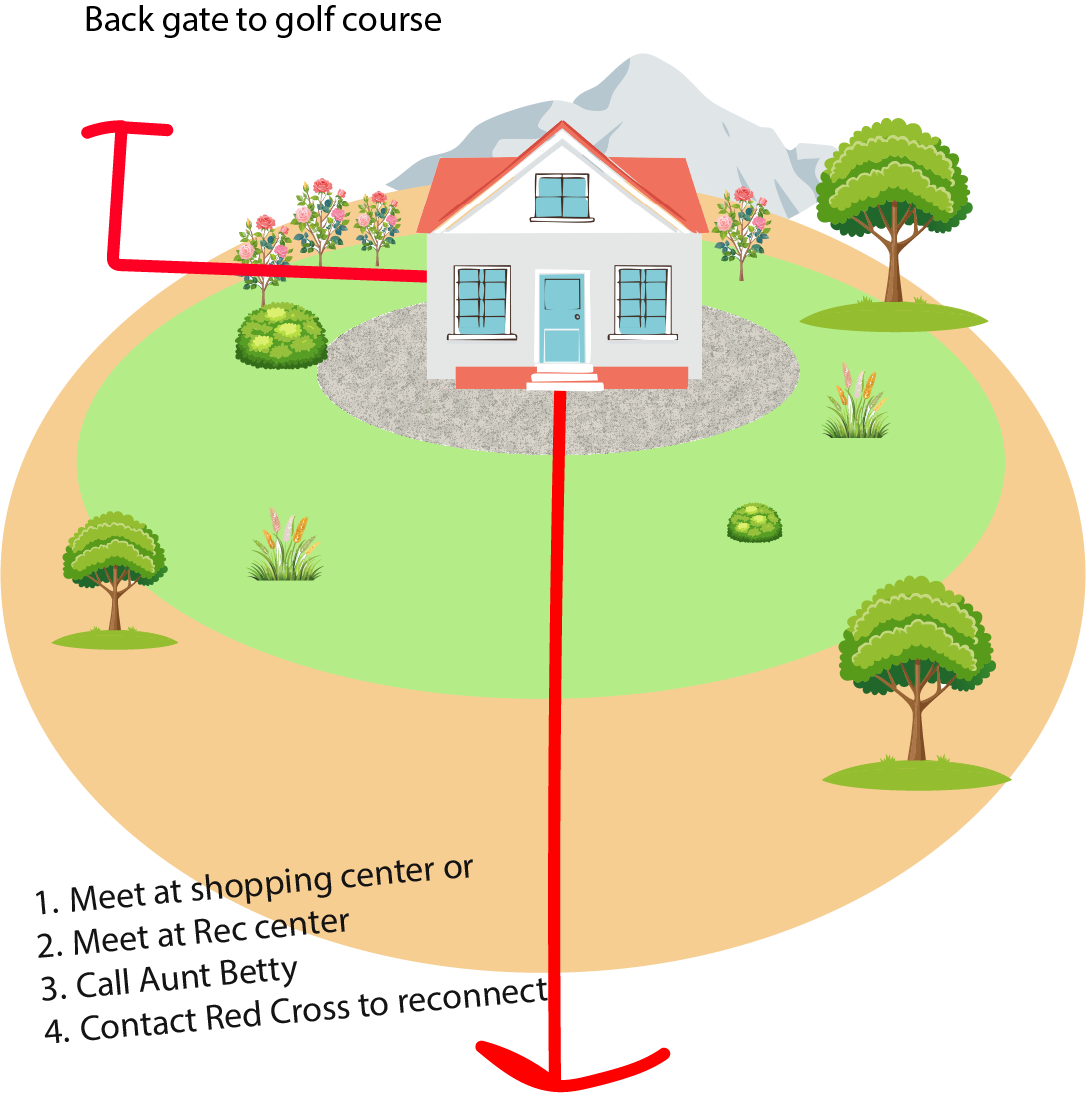
Choose an outside meeting place in front of your home and one at a public place

drawing of a hatchback car with water, first aid kit and snackHave your go bag in the car

Have carriers, food, and water ready for your pets so they can leave quickly and safely with you.

Close the fireplace flue during wildfire season when the chimney is not being used. 

Move firewood and lumber well away from the home

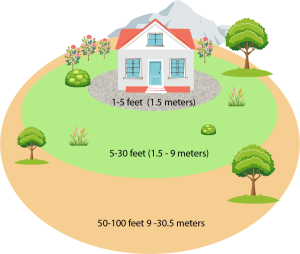
Ensure that all combustible materials are removed from underneath, on top of, or within five feet of a deck.

Remember to properly store retractable awnings and umbrellas when not in use so they do not collect leaves and embers.

Store a fire extinguisher and basic firefighting tools within easy reach. 

Be able to open garage doors or gates without power, Equip garage doors with battery backups to ensure functionality during power outages. 

Apply weather stripping around and under the garage door to block ember entry. 

Keep a minimum of 10 feet of vegetation clearance on either side of driveways and access roads. 

Ensure gates open inward and are wide enough for emergency vehicles, and keep overhead branches trimmed. 

Keep gutters free from plant debris to prevent ember ignition. Add a noncombustible metal drip edge to protect the roof’s edge from ember exposure. 

Install long garden hoses at your property that can reach all areas, including roofs and decks. 

Consider installing pumps for pools or back up power to wells to increase water availability during fires. 

Your home’s address should be easily visible from the street for quick identification by emergency responders.

Have a ladder handy for firefighter roof access

Know your community’s emergency plan, evacuation routes, and destinations

Get to know your home’s utility boxes for electricity, water, and gas and how to safely manage them. 

Check with neighbors to ensure they’re also prepared

When an evacuation is likely or has been ordered

Leave if you believe an evacuation order is coming, don’t wait

Bring in patio furniture toys, doormats, and trash bins. Alternatively, place them in your pool if evacuation is likely or ordered

Shut off gas lines and items like propane tanks and move grills away from the house.

If you are on city water, Don’t leave sprinklers or water running as it can lower critical water pressure.

Switch off the air conditioning

Close all windows and doors but leave them unlocked

Take down flammable window treatments like shades and curtains, and close metal shutters

Move anything that burns easily to the middle of rooms, away from windows and doors

Turn off the gas at the meter and pilot lights

Leave lights on for firefighters to see your house in smoke.  I have a battery back up light bulb on the porch light. that comes on if the power is off.

Expect power outage, don’t use improper connections for generator, they may cause injury to workers

Don’t return home until fire officials notify you that it’s safe to do so.

Use a battery-powered radio or your cellphone for wildfire updates.


BeReady for Earth Quake

BeReady for an Earthquake

Earthquakes may occurred in areas that have no history of earth movement and there is no way to predict when one might happen. Everyone should BeReady to react to an earthquake no matter were you are.

emergency kitBefore an Earthquake occurs:

  • Identify hazards and secure moveable items.
  • Find out if your home, apartment or mobile home is safe and where it may fail in earth movement.
  • Secure heavy furniture or loose items
  • Practice “Drop, Cover, and Hold On” drills with your family.
  • Consider earthquake insurance if available, your regular home or renters policy does not cover earthquake damage.
  • Know if you are in a Tsunami zone and make extra arrangements, don’t wait for an official notice of tsunami after a large earthquake
  • Have your disaster supplies available

During an Earthquake

  • Drop, Cover, and Hold On
  • Stay away from windows, stay inside until the shaking stops
  • If there’s no shelter, crouch against an inside wall
  • Cover your head and neck with your arms and hands
  • Hold on until the shaking stops.

After an Earthquake


Scroll to Top